The future of public housing in Singapore is already unfolding, as technology quietly reshapes how Housing & Development Board (HDB) estates are designed, managed, and experienced. With over 80% of Singapore’s residents living in HDB flats, innovations in smart living are having a wide and meaningful impact on everyday life.
At the heart of this transformation is Singapore’s Smart Nation vision, which aims to integrate digital solutions into urban living to make towns more efficient, sustainable, and livable. One of the key initiatives supporting this is the development of smart HDB towns powered by data, sensors, and artificial intelligence.
Source: CTRL + SHIFT
The “Brain” Behind Smart Towns
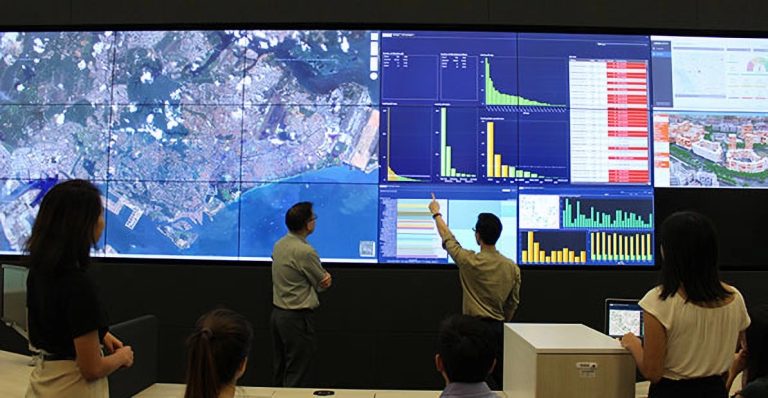
HDB’s approach to smart living is built around a central platform often referred to as a “Smart Hub.” This system acts like a control center for entire estates, monitoring infrastructure such as lifts, lighting systems, water pumps, and solar panels.
By collecting real-time data from sensors placed across estates, the Smart Hub helps engineers and town councils understand what is happening on the ground instantly. This allows issues to be detected early, maintenance to be optimized, and energy usage to be reduced.
Instead of waiting for problems to occur, the system supports predictive maintenance—helping prevent breakdowns before they happen.
Smarter, More Efficient Estate Management
Smart technology is already being used in several aspects of estate management, including:
Lighting systems that adjust brightness based on human movement and ambient conditions
Energy monitoring systems that track electricity usage in common areas
Water pump and irrigation sensors that detect faults or irregularities early
Solar panel monitoring to optimize renewable energy generation across rooftops
These improvements not only enhance convenience but also reduce energy consumption significantly, contributing to sustainability goals across HDB towns.
Better Planning for Future Towns
Smart tools are also used in urban planning. Before construction, simulations test wind flow, sunlight, and temperature to design more comfortable and efficient living spaces. This helps planners position facilities like parks, playgrounds, and green areas more effectively.
Building More Liveable Communities
Overall, smart HDB technology aims to create safer, greener, and more efficient estates. By combining real-time monitoring with data-driven planning, Singapore is shaping public housing that continuously adapts to residents’ needs.
The future of HDB living is not just physical—it is increasingly digital, connected, and intelligent.